Lighting is the magical element that transforms a space from ordinary to exceptional. Ideal lighting is not just about providing light, but creates a comfortable atmosphere, highlights the beauty of design, and affects your mood and productivity. In this article, we explore the types of lighting and how to distribute them smartly in your home.
The Three Types of Lighting
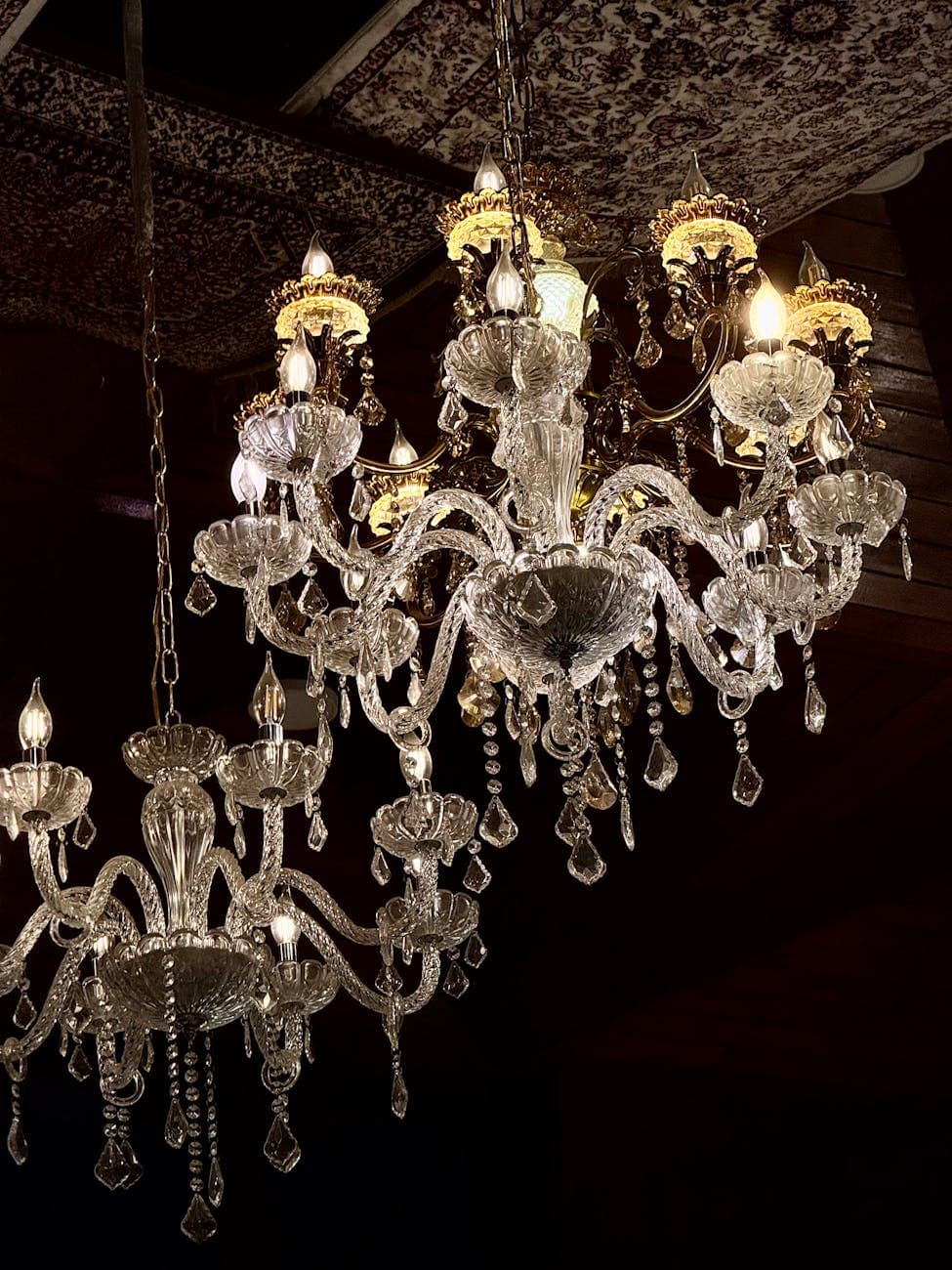
Ambient Lighting: This is the basic lighting that illuminates the entire room. It includes chandeliers, recessed ceiling lighting, and wall sconces. It should be sufficient and evenly distributed to cover the entire space.
Task Lighting: Dedicated to specific activities such as reading, cooking, or working. It includes desk lamps, kitchen lighting above surfaces, and reading lamps next to the bed. It should be strong and directed to the required area.
Accent Lighting: Used to highlight specific elements such as paintings, plants, or architectural details. It adds depth and dimension to the design and creates visual focal points.
Choosing Color Temperature
Color temperature is measured in Kelvin (K) and greatly affects the atmosphere of the place:
- Warm Light (2700-3000K): Ideal for bedrooms and living rooms, creates a comfortable and intimate atmosphere.
- Neutral Light (3500-4100K): Suitable for kitchens and bathrooms, provides clear vision without eye strain.
- Cool Light (5000-6500K): Ideal for offices and work areas, enhances focus and alertness.
Distribution by Room
Living Room: Combine ambient lighting (central chandelier), task lighting (side lamps for reading), and accent lighting (lighting behind TV or for paintings).
Kitchen: Strong overhead ambient lighting, focused task lighting above work surfaces and cooking area, and accent lighting inside glass cabinets.
Bedroom: Quiet, dimmable ambient lighting, side reading lamps, and perhaps dim floor lighting to ease nighttime movement.
Bathroom: Bright ambient lighting, and task lighting around the mirror from the sides (not just from above) to avoid shadows.
Energy Saving Tips
- Use LED bulbs that save up to 80% of electricity compared to traditional bulbs.
- Install dimmer switches to control lighting intensity as needed.
- Make the most of natural light through windows and mirrors.
- Use motion sensors in hallways and bathrooms to turn lighting on only when needed.
Conclusion
Ideal lighting is both art and science. By understanding different types of lighting, choosing the appropriate temperature, and distributing it smartly in each room, you can transform your home into a comfortable, functional, and beautiful space that reflects your lifestyle and meets your daily needs.